
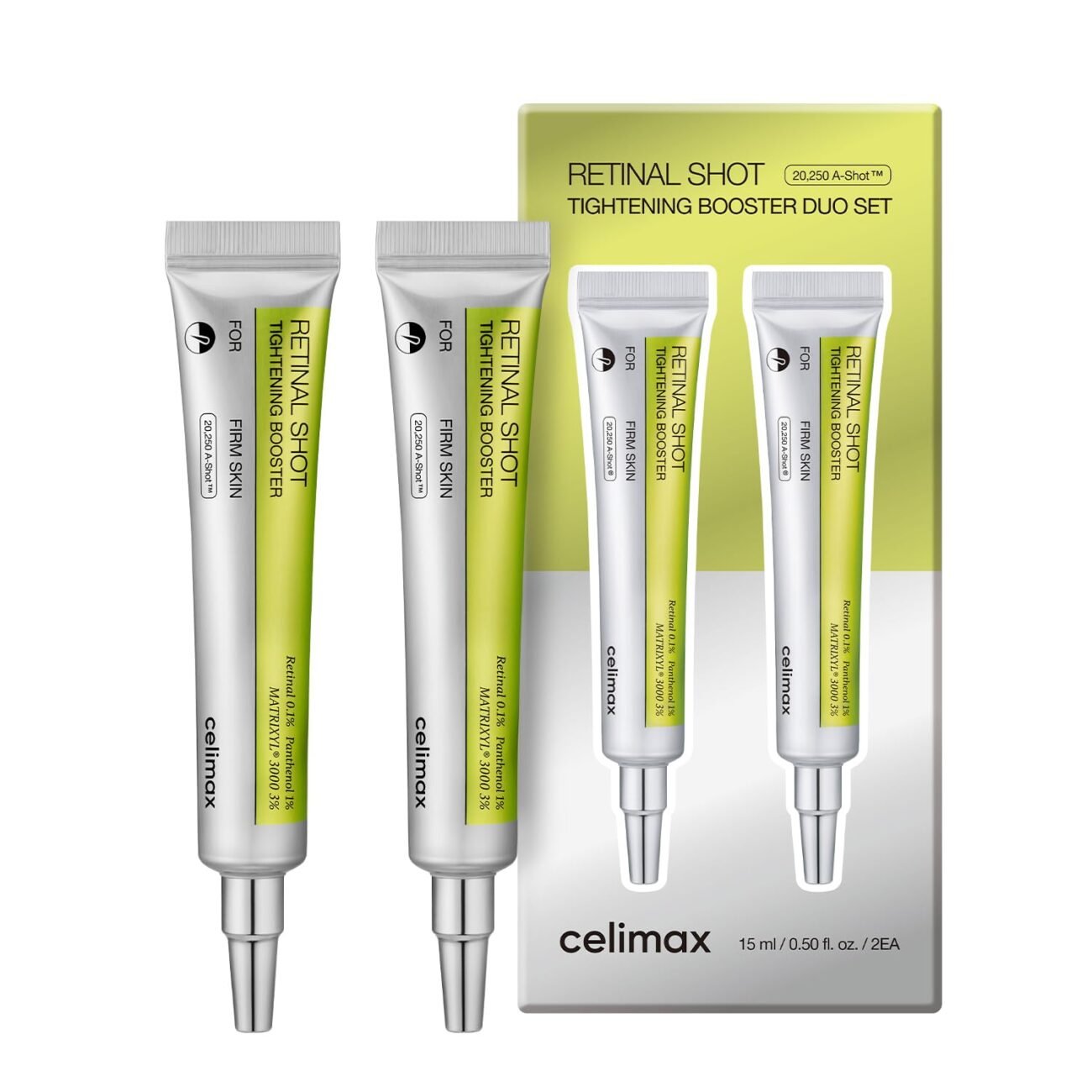
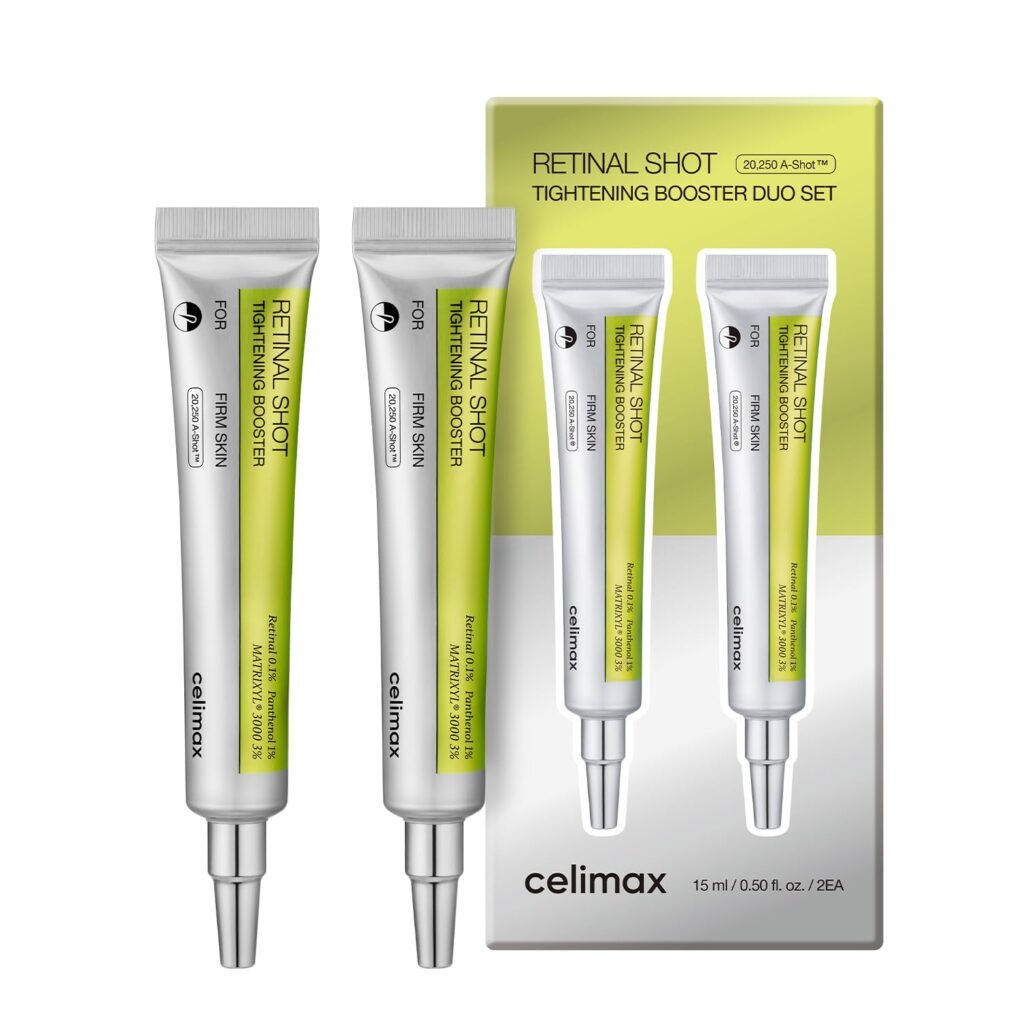
Celimax The Vita A Retinal Shot Tightening Booster (Duo Set 0.51 fl.oz x 2) Review
Introduction
The Celimax The Vita A Retinal Shot Tightening Booster is presented as a duo set containing two 0.51 fluid ounce containers. The product name implies a focus on retinal-based technology and skin tightening. However, the information available from the supplied data is limited to the title and packaging description. No ingredient list, manufacturing details, or clinical evidence has been provided. Because of this lack of explicit data, the review below focuses on general considerations that a potential buyer might weigh when evaluating a product that claims to offer retinal-based skin tightening benefits.
When encountering a new skincare product, especially one that references a specific active ingredient such as retinal, it is prudent to approach the claims with a balanced perspective. The absence of verifiable details means that any discussion of efficacy, safety, or suitability must remain speculative and framed as potential rather than definitive. This review therefore highlights the typical attributes that consumers often look for in retinal or retinoid products, outlines the uncertainties that arise when such details are missing, and offers practical advice for making an informed purchasing decision.
Features (as confirmed by available information)
Based on the extracted data, the only confirmed feature of this product is its packaging: a duo set of two 0.51 fluid ounce containers. No other specifications—such as ingredient composition, concentration, formulation type, or usage instructions—are available. Because the product title references “Retinal Shot Tightening Booster,” it is reasonable to infer that the product is marketed as a topical solution intended to support skin firmness. However, without explicit confirmation, any additional feature claims remain unverified.
Potential Practical Benefits (cautiously framed)
While the product’s specific formulation is unknown, the name suggests that it may contain retinal or a related retinoid compound. In the broader skincare industry, retinal derivatives are often promoted for their potential to:
- Stimulate collagen production, which can contribute to improved skin elasticity.
- Promote cell turnover, potentially resulting in a smoother skin texture.
- Address fine lines and wrinkles through the modulation of skin remodeling pathways.
These potential benefits are derived from general scientific literature on retinoids and retinal compounds. If the Celimax product does indeed contain a retinal derivative, it could theoretically offer similar effects. Nonetheless, the actual impact would depend on factors such as the concentration of the active ingredient, the presence of supporting excipients, and the product’s overall formulation stability.
In addition to the active ingredient, the packaging size (0.51 fl.oz per container) suggests a moderate volume that could be suitable for a trial period. A duo set may allow users to test the product on a small area before applying it more broadly. This approach can be useful for individuals who are cautious about introducing new active ingredients into their skincare routine.
It is also worth noting that the product’s marketing language—“Shot Tightening Booster”—implies a quick or concentrated application. In practice, many topical products that claim rapid results rely on high concentrations of active ingredients or synergistic blends. Whether this product follows such a strategy cannot be confirmed without additional data.
Limitations and Unknowns
Several key uncertainties arise from the limited information available:
- Ingredient Transparency: The absence of an ingredient list means that consumers cannot verify the presence or concentration of retinal or any other active compounds. This lack of transparency also prevents assessment of potential allergens, irritants, or preservatives that might affect skin tolerance.
- Clinical Validation: No clinical studies, safety data, or efficacy trials are cited. Without peer-reviewed evidence or third‑party testing, it is impossible to gauge the product’s effectiveness or safety profile.
- Regulatory Status: The product’s compliance with regulatory bodies such as the U.S. Food and Drug Administration (FDA) or the European Medicines Agency (EMA) is unknown. This uncertainty can be significant for consumers who prioritize regulatory approval as a marker of safety.
- Manufacturing Practices: Information about Good Manufacturing Practice (GMP) compliance, batch consistency, or quality control procedures is not provided. These factors can influence product stability and potency.
- Application Instructions: Without clear usage guidelines—such as recommended frequency, amount per application, or compatibility with other skincare products—users may apply the product incorrectly, potentially reducing efficacy or increasing the risk of irritation.
- Packaging Integrity: The packaging description does not detail whether the containers are air‑tight, light‑protected, or designed to preserve the active ingredient’s stability. Exposure to air or light can degrade retinoid compounds.
Because of these unknowns, consumers should treat any claims of skin tightening or anti‑aging benefits with caution. The lack of verifiable data means that the product’s performance cannot be reliably predicted.
Suitable Use Cases (conditionally framed)
Given the limited information, it is challenging to prescribe definitive use cases. However, consumers who might consider this product—provided they accept the uncertainties—could include:
- Individuals Seeking a Trial Product: The duo set offers a relatively small volume, which may appeal to those who want to test a retinal-based product before committing to a larger quantity.
- Skincare Enthusiasts Exploring Retinal Options: Those who are familiar with retinoid products and are specifically interested in retinal derivatives may find the product’s marketing language appealing, though they should verify the ingredient list once available.
- Users with Sensitive Skin (with Caution): If the product contains a low concentration of retinal or includes soothing excipients, it might be suitable for sensitive skin. However, without ingredient transparency, this remains speculative.
- People Looking for a Quick‑Fix Solution: The term “Shot” in the product name suggests a concentrated application. Users who prefer a short, targeted routine may find this appealing, but they should be aware that the product’s efficacy is unverified.
In all cases, the user should proceed with a cautious approach, considering the lack of explicit safety and efficacy information.
Buying Considerations
When evaluating whether to purchase a product with limited publicly available data, buyers should weigh the following factors:
- Ingredient Disclosure: Prioritize products that provide a full ingredient list. If the ingredient list is not readily available on the product packaging or the retailer’s website, consider contacting the manufacturer directly for clarification.
- Third‑Party Testing: Look for evidence of independent laboratory testing, such as certificates of analysis or third‑party verification. Products that have undergone such testing are more likely to meet quality and safety standards.
- Regulatory Compliance: Verify whether the product complies with relevant regulatory frameworks. For example, in the United States, products containing certain concentrations of retinoids may be regulated as prescription drugs.
- Customer Feedback and Reviews: While the review must not fabricate customer opinions, it is useful to consult reputable review sites or forums where users discuss their experiences. Pay attention to recurring themes such as irritation, efficacy, or packaging issues.
- Return Policy and Warranty: A clear return policy can provide a safety net if the product does not meet expectations or causes adverse reactions.
- Price vs. Value: Evaluate whether the product’s price aligns with its claimed benefits, especially when ingredient transparency is lacking. A higher price does not guarantee superior efficacy.
- Professional Guidance: If you have sensitive skin, a history of dermatological conditions, or are using other active ingredients (e.g., other retinoids, acids, or prescription treatments), consult a dermatologist before adding a new product to your routine.
Because the available information does not confirm the product’s safety profile or efficacy, buyers should treat the purchase as an exploratory step rather than a guaranteed solution for skin tightening.
Conclusion
The Celimax The Vita A Retinal Shot Tightening Booster (Duo Set 0.51 fl.oz x 2) is marketed as a retinal-based skin tightening product, yet the publicly available data is limited to its name and packaging size. Without explicit ingredient disclosure, clinical evidence, or regulatory information, it is impossible to confirm the product’s effectiveness or safety. Potential benefits—such as increased collagen production or improved skin texture—are inferred from general knowledge of retinal compounds, but these remain speculative for this specific formulation.
Consumers should approach this product with caution, focusing on verifying ingredient lists, seeking third‑party testing, and consulting professional guidance if they have skin concerns. The duo set’s modest volume may make it suitable for a trial period, but the lack of detailed usage instructions and safety data means that users should monitor for any adverse reactions and be prepared to discontinue use if necessary.
Ultimately, the decision to purchase should be based on a careful assessment of the product’s transparency, the user’s skin needs, and the willingness to accept the uncertainties inherent in a product with limited publicly available information.

