
Roku 32‑Inch Select Series Smart TV 2026 – A Comprehensive Review
Introduction
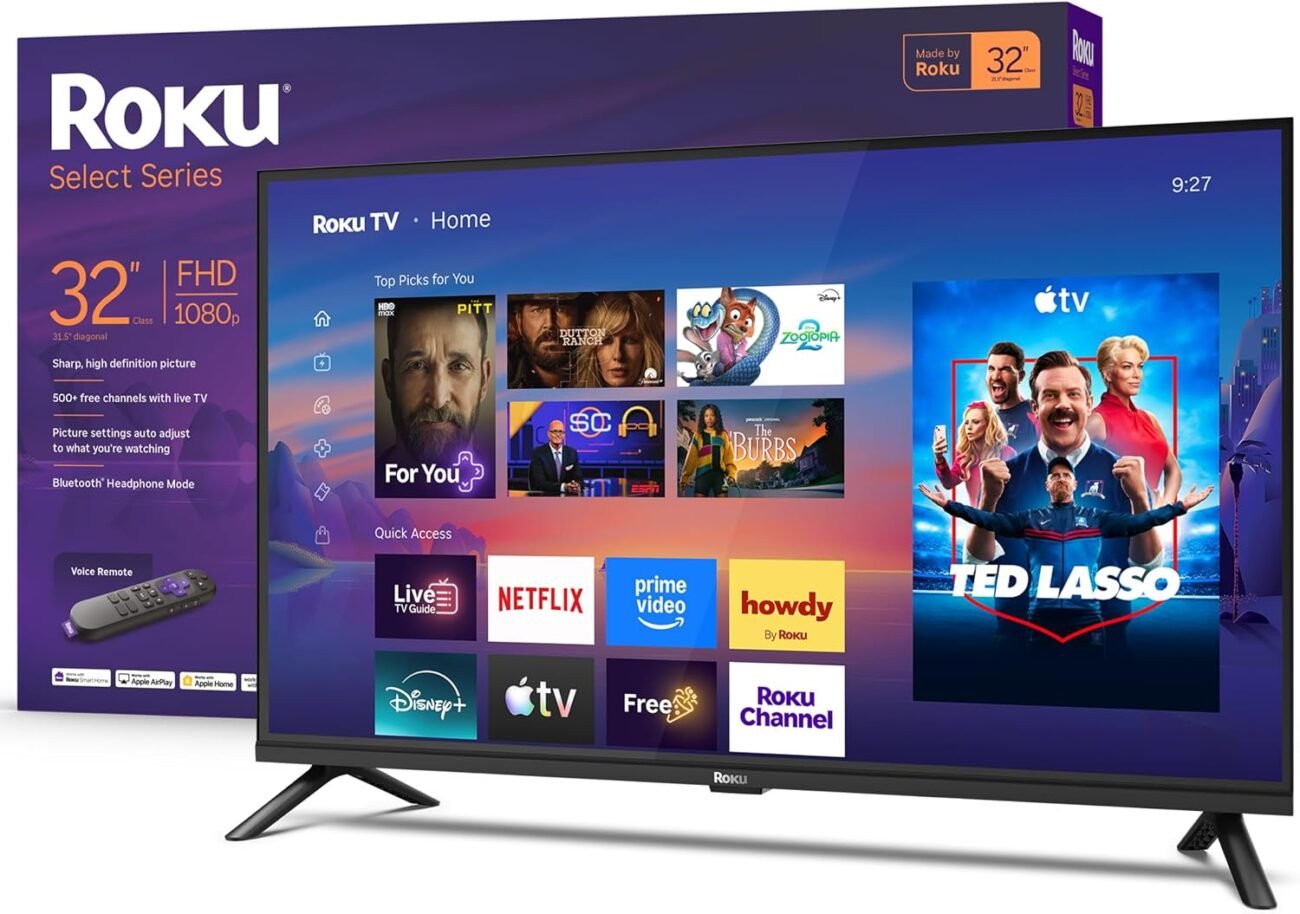
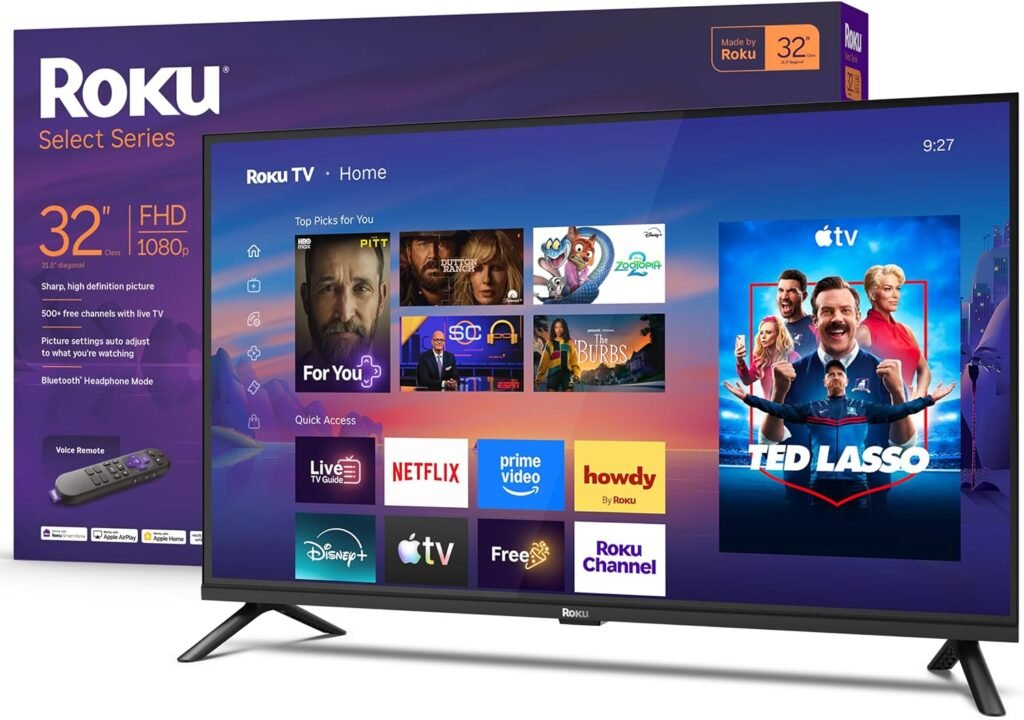
The Roku 32‑Inch Select Series Smart TV 2026 is positioned as a compact, full‑HD television that integrates Roku’s streaming platform. The title suggests a 1080p resolution, a 32‑inch screen, and inclusion in Roku’s Select Series lineup, which typically emphasizes affordability and essential smart features. While the product name provides a basic framework, detailed specifications, build quality, and performance metrics are not disclosed in the available data. This review therefore focuses on what can be reasonably inferred from the title, common industry practices for similar devices, and the broader Roku ecosystem. The goal is to help potential buyers understand what to expect, what remains uncertain, and how to approach a purchase when information is limited.
Key Features (Based on Title and Common Expectations)
Screen Size and Resolution
The title explicitly states a 32‑inch display with 1080p Full HD resolution. A 32‑inch screen is typically suited for smaller rooms, bedrooms, or as a secondary display. Full HD (1920 × 1080) is a standard resolution for many mid‑range televisions, offering clear picture quality for most streaming content and local sources.
Smart TV Platform
“RokuTV” in the title indicates that the device runs Roku’s operating system. Roku Smart TVs generally provide access to a wide range of streaming apps, a user‑friendly interface, and voice control via the Roku remote or compatible smart assistants. The platform is known for its simplicity and frequent updates, which can add new channels and features over time.
Series Designation
The inclusion of “Select Series” suggests that the TV is part of Roku’s entry‑level or mid‑range lineup. Select Series models often prioritize core functionality over premium features such as advanced HDR support, high‑refresh‑rate panels, or extensive connectivity options. The focus is typically on delivering a solid viewing experience at a competitive price point.
Release Year
The model name references “2026,” implying that it is a recent or upcoming release. While the exact launch date is not confirmed, the year in the title may indicate that the device incorporates the latest firmware updates and compatibility with newer streaming services.
Connectivity and Ports
Specific port configurations are not provided. However, Roku Smart TVs commonly include HDMI inputs, USB ports, and Wi‑Fi connectivity. The presence of these ports is typical for enabling external devices such as gaming consoles, soundbars, or streaming sticks.
Potential Practical Benefits – What Users Might Expect
Convenient Streaming Experience
Because the TV runs Roku’s operating system, users can access a broad library of streaming channels, including popular services like Netflix, Hulu, Amazon Prime Video, and many free ad‑supported options. The Roku interface is designed for quick navigation, which can reduce the time spent searching for content.
Voice Control and Smart Assistant Integration
Roku Smart TVs usually support voice commands via the remote or through integration with smart assistants such as Amazon Alexa and Google Assistant. This feature can simplify content discovery, playback control, and even basic home‑automation tasks if the TV is connected to compatible devices.
Compact Footprint for Small Spaces
A 32‑inch screen occupies less wall space than larger models, making it suitable for bedrooms, kitchens, or office areas where a full‑size TV would be impractical. The smaller size also often translates to a lighter chassis, which can ease mounting or repositioning.
Full HD Picture Quality for Everyday Use
1080p resolution provides a clear and detailed image for standard definition and most streaming content. For users who primarily watch television shows, movies, or sports in standard or high definition, the picture quality is typically adequate.
Potential Cost‑Effectiveness
Entry‑level Roku models are generally priced lower than premium brands. While the exact price is not disclosed, the Select Series designation suggests that the TV may offer a balance between affordability and essential smart features.
Limitations and Unknowns – What the Current Information Leaves Unanswered
Display Technology and Panel Quality
Details about the panel type (LCD, LED, OLED, etc.), backlight technology, color accuracy, contrast ratio, and viewing angles are not provided. These factors significantly influence the overall visual experience, especially in brightly lit rooms or for color‑critical viewing.
HDR Support and Color Depth
There is no confirmation of High Dynamic Range (HDR) capability. HDR can enhance contrast and color richness for compatible content, but its absence would limit the TV’s ability to display HDR10 or Dolby Vision streams at their full potential.
Refresh Rate and Motion Handling
Information regarding the native refresh rate (e.g., 60 Hz, 120 Hz) and motion smoothing features is missing. A higher refresh rate can reduce motion blur for fast‑moving content such as sports or action movies.
Audio Performance
Specifications for built‑in speakers, audio output options, and support for audio formats (e.g., Dolby Atmos, DTS) are not disclosed. Users who rely on the TV’s speakers for immersive sound may need to consider external audio solutions.
Connectivity Options
While HDMI and USB ports are common, the exact number and type (e.g., HDMI 2.0, HDMI 2.1, USB 3.0) are unknown. This information is critical for users planning to connect multiple devices or future‑proofing their setup.
Build Quality and Materials
There is no data on the chassis material, stand design, or mounting options. These aspects affect durability, aesthetics, and ease of installation.
Software Updates and Feature Roadmap
The frequency and longevity of firmware updates are not specified. Regular updates can add new features, improve performance, and patch security vulnerabilities, so the update policy is an important consideration.
Energy Consumption
Power usage figures are not available. Energy efficiency can impact operating costs and environmental footprint.
Suitable Use Cases – When This TV Could Fit Your Needs
Bedroom or Guest Room Entertainment
A 32‑inch screen is ideal for a bedroom or guest room where space is limited. The TV can serve as a personal entertainment hub for streaming movies, music videos, or browsing the internet.
Kitchen or Dining Area Companion
In a kitchen or dining setting, a compact TV can display cooking tutorials, news, or family videos while meals are prepared or served. The smaller footprint reduces visual clutter in a busy space.
Secondary Display for Home Offices
For home office setups, the TV can function as a secondary monitor for video conferencing, streaming webinars, or accessing streaming services during breaks.
Budget‑Conscious Buyers Seeking Smart Features
Individuals who prioritize a smart TV experience but have a limited budget may find the Select Series appealing, assuming the device delivers on core streaming functionality.
Users Who Prefer a Simple, No‑Frills Experience
Those who want a straightforward TV that focuses on streaming content without the complexity of premium features (e.g., 4K, HDR, gaming‑specific inputs) may appreciate the streamlined nature of an entry‑level model.
Buying Considerations – How to Approach a Purchase with Limited Information
Verify the Model’s Release Date and Firmware Support
Confirm that the device is indeed a 2026 model and that it receives ongoing firmware updates. A newer release year often correlates with more recent software support, which can be critical for security and feature access.
Check for HDR and 4K Capabilities
If HDR or 4K content is important, verify whether the TV supports these formats. The absence of HDR can limit the viewing experience for premium streaming services that offer HDR content.
Assess Connectivity Needs
Determine the number and type of HDMI and USB ports required for your peripherals. If you plan to connect multiple devices (e.g., gaming console, soundbar, external hard drive), ensure the TV has sufficient ports.
Consider Audio Requirements
Evaluate whether the built‑in speakers meet your expectations or if you will need an external sound system. Some users prefer a soundbar or home‑theater setup for richer audio.
Read Independent Reviews and User Feedback
Seek out reviews from reputable tech publications or user forums that discuss the specific model. Pay attention to comments about picture quality, interface responsiveness, and reliability.
Examine Return Policies and Customer Support
Even though warranty details are not disclosed, understanding the retailer’s return policy and the manufacturer’s customer support options can provide peace of mind in case of defects or dissatisfaction.
Compare with Similar Models
Look at other 32‑inch Roku Smart TVs or comparable models from different brands. Compare available specifications such as panel type, refresh rate, and connectivity to gauge relative value.
Plan for Future Upgrades
Consider whether the TV’s specifications will remain adequate as streaming services evolve. For example, if HDR becomes standard, a TV lacking HDR support may feel dated sooner.
Comparative Context – How This Model Might Fit Into the Roku Ecosystem
Roku’s product line ranges from entry‑level models like the Select Series to premium options featuring 4K resolution, HDR, and advanced gaming features. The 32‑inch Select Series is likely positioned at the lower end of the spectrum, offering essential streaming capabilities without the higher price tag. In contrast, Roku’s flagship models often include larger screens, higher resolution, and more robust hardware to support demanding applications such as gaming or high‑definition media playback.
For consumers who primarily use the TV for streaming standard‑definition or full‑HD content, the Select Series may provide sufficient performance. However, those who anticipate future upgrades to 4K or HDR services might consider a higher‑tier model to avoid the need for a replacement in the near future.
Conclusion
The Roku 32‑Inch Select Series Smart TV 2026 presents a clear set of expectations based on its title: a 32‑inch full‑HD display, integration with Roku’s smart platform, and positioning within Roku’s entry‑level lineup. While the available information confirms these core attributes, many critical details—such as panel technology, HDR support, refresh rate, audio performance, and connectivity options—remain unspecified. Potential buyers should therefore verify these specifications through additional research or direct inquiry with the manufacturer or retailer.
For users who value a compact, affordable smart TV primarily for streaming standard‑HD content, this model could be a suitable fit, especially if the device delivers on the typical Roku features of a user‑friendly interface and voice control. However, those who require advanced visual or audio capabilities, or who anticipate future upgrades to higher‑resolution formats, may need to explore alternative options.
Ultimately, a cautious approach—focusing on confirmed attributes, seeking out independent reviews, and confirming unanswered specifications—will help ensure that the chosen television aligns with individual needs and expectations.

